
The Insight
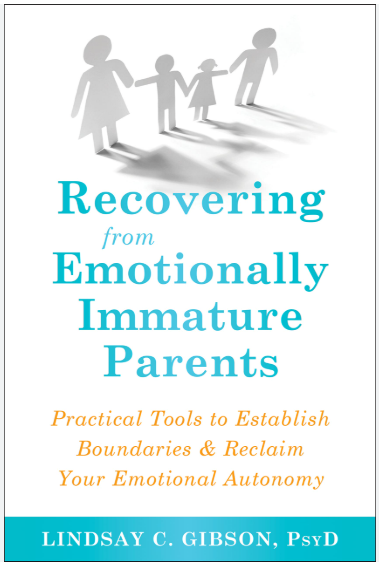
The fundamental shift in healing comes from pulling back the illusion of parental maturity and evaluating our caregivers through the clear, clinical lens of objective data. In this definitive guide, psychotherapist Lindsay Gibson outlines how emotionally immature parents view their children not as independent individuals, but as transactional extensions of their own fragile egos. These caregivers default to rigid role enforcement, emotional invalidation, and coercive guilt whenever their authority or carefully curated public image is questioned. Gibson shows that healing does not require forcing an unchangeable parent to finally understand your pain; rather, it requires a complete shift in internal strategy. True relational stability begins when a survivor steps out of the exhausting role of the family "fixer," implements unyielding behavioral boundaries, and actively detaches from the toxic scripts of the past to claim their own emotional autonomy.
The Mending
This book helped me pivot from the agonizing belief that I was a difficult, unlovable child to the liberating reality that I was simply raised by profoundly underdeveloped people.
For over fifty years, I carried the crushing weight of being labeled the family "black sheep," internalizing a negative core ledger that told me my basic human needs were nothing but a nuisance. Reading Gibson's work was like looking into a clinical blueprint that completely unmasked the matriarchal dictatorship governing my history. It allowed me to trace my deep-seated anxiety and adults panic attacks back to their exact relational origins: an infancy where my colicky wails were met with maternal freezing and emotional abandonment, and a childhood where my mother maintained a meticulous ledger of my alleged "wrongs" to ensure my total compliance.
Gibson’s frameworks exposed the twisted systemic logic behind the "Golden Child" dynamic, helping me realize why my sister, Donna, operated as a complete extension of our mother's insatiable need for validation and control. The book gave me the vocabulary to understand that my sister's furious outbursts, manipulative usage of weaponized scripture, and defensive "word salad" weren't signs of genuine connection, but a standard behavioral response to losing control over me when I finally refused to pretend. This text was the ultimate confirmation that my quiet rebellion—from self-funding my own education to decisively withholding a birthday invitation from my mother for my own peace—was not an act of malice, but a courageous, biologically imperative decoupling from a legacy of emotional abuse.